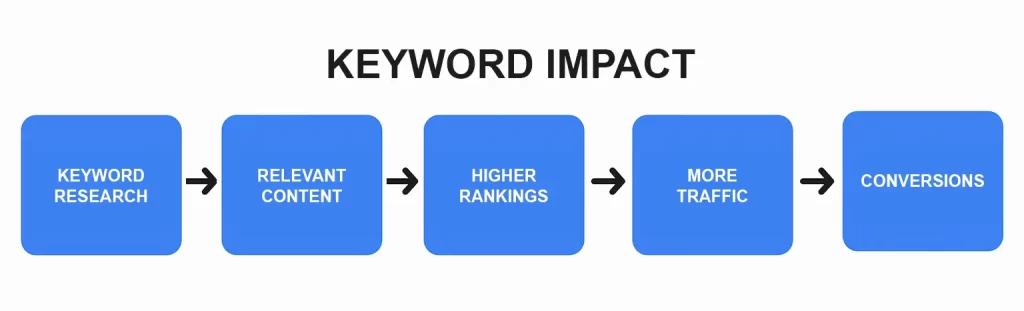
Keyword research is the foundation of SEO. It helps you understand what your audience is searching for, create relevant content, and improve your search engine rankings.

What Are Keywords?

  • Definition: Keywords are words or phrases users type into search engines to find information.
  • Example Diagram: Keyword Funnel
    • Broad Keyword → Long-Tail Keyword → Target Keyword
    • “Shoes” → “Running shoes” → “Best running shoes for beginners”
  • Why It Matters: Keywords guide your content, inform search engines, and connect you with your audience.

Types of Keywords

Short-Tail Keywords

  • 1–2 words
  • High search volume, high competition
  • Example: “Shoes”

Long-Tail Keywords

  • 3+ words
  • Specific, easier to rank for
  • Example: “Affordable running shoes for women”

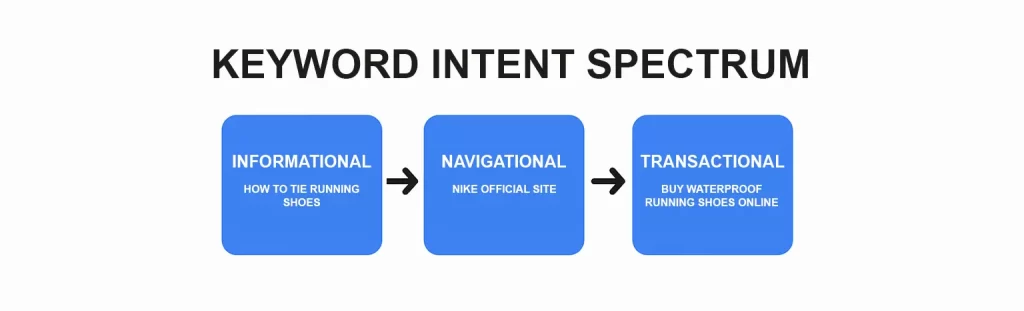
Intent-Based Keywords:

  • Informational: “How to tie running shoes”
  • Navigational: “Nike official site”
  • Transactional: “Buy waterproof running shoes online

Why Keyword Research Matters

  • Helps identify audience needs
  • Improves search engine rankings
  • Drives targeted traffic
  • Guides content strategy

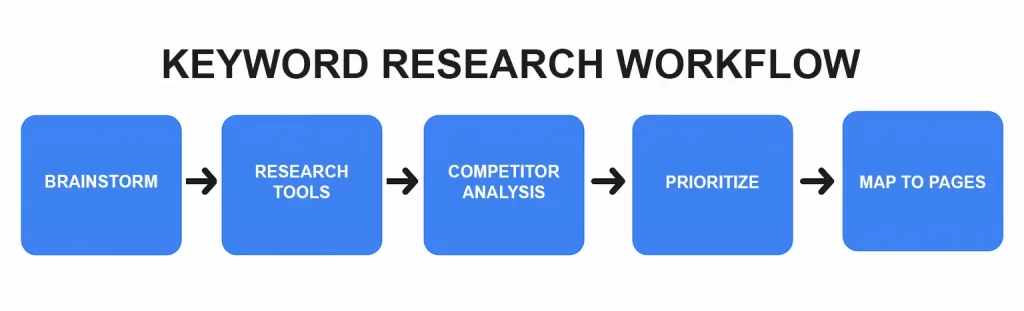
How to Conduct Keyword Research

Step 1: Brainstorm Topics

  • List ideas related to your website or business.

Step 2: Use SEO ONE

  • Generate keyword suggestions
  • See search volume and competition
  • Identify long-tail opportunities

Step 3: Analyze Competitors

  • Find which keywords competitors rank for
  • Identify gaps to create better content

Step 4: Prioritize Keywords

  • Focus on relevance, search volume, and competition

Keyword Mapping

Assign specific keywords to each page to prevent overlap and target the right search intent.

Example:

  • Homepage: “Running shoes online”
  • Blog Post: “Best running shoes for beginners”
  • Blog Post: “Running shoes for flat feet review”

Diagram: Keyword Mapping Flow

Page 1 → Keyword A

Page 2 → Keyword B

Page 3 → Keyword C

Common Mistakes to Avoid

  • Only targeting high-volume keywords
  • Ignoring user intent
  • Reusing the same keyword on multiple pages
  • Not updating your keyword strategy regularly

Quick Keyword Research Checklist

  • Brainstorm relevant topics
  • Use SEO ONE to generate keyword ideas
  • Analyze competitor keywords
  • Focus on long-tail, intent-driven keywords
  • Map keywords to pages
  • Track performance and adjust strategy

This illustrated guide makes keyword research approachable and actionable, providing a clear roadmap for website owners.

One Tool. Infinite SEO Power

Stay ahead of the curve!

Subscribe for the latest updates, exclusive offers, and industry insights delivered straight to your inbox.

© Copyright 2026, SEOONE. All rights are reserved.